


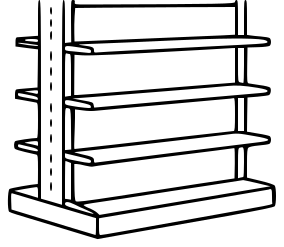
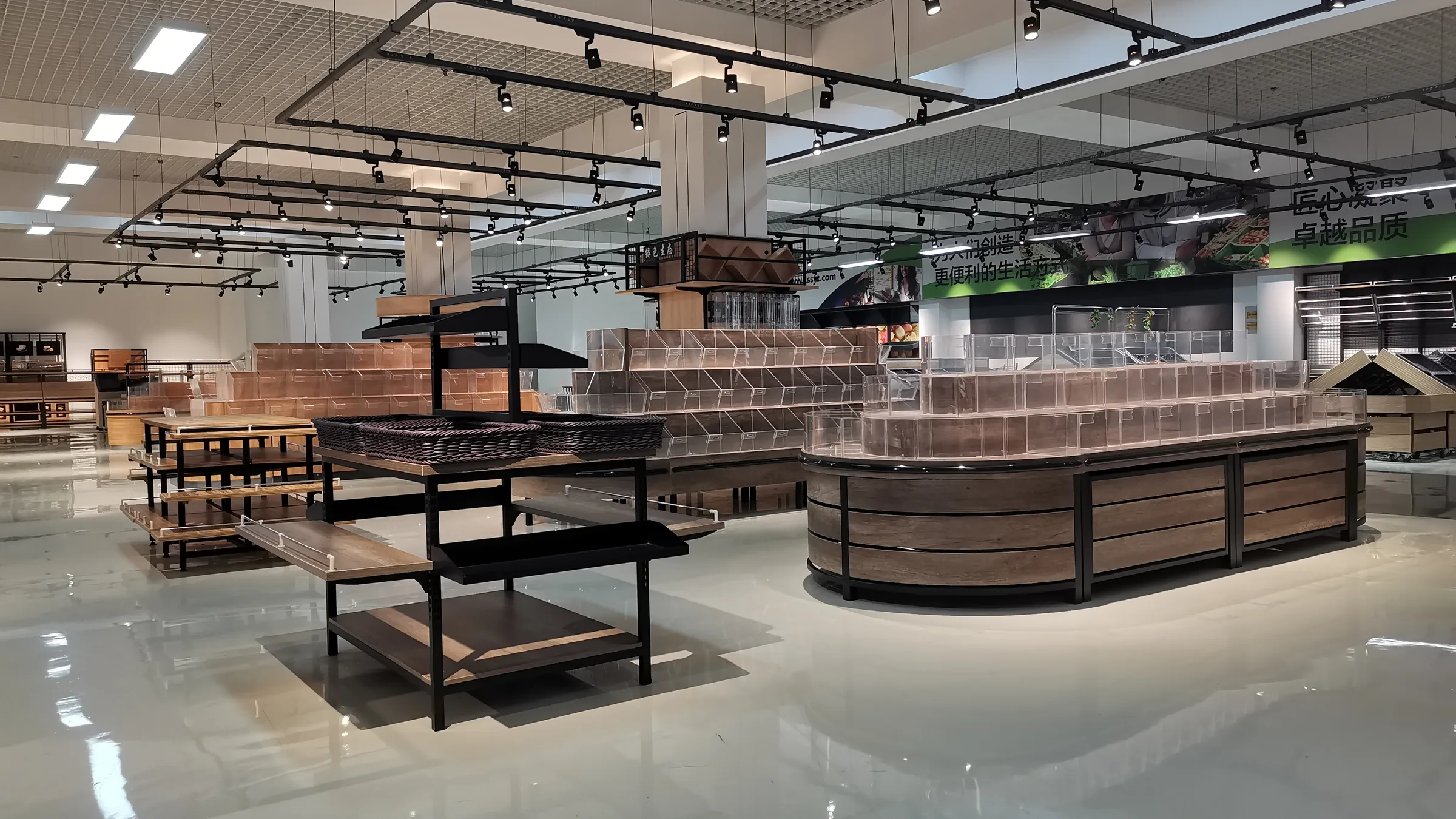
Have you ever walked into a supermarket intending only to buy a bottle of milk, only to leave pushing a cart full of groceries? This is no accident — it is a carefully‑crafted shopping experience. Today we uncover the secrets of supermarket shelf arrangement and how these seemingly simple displays quietly shape customers’ purchasing decisions.
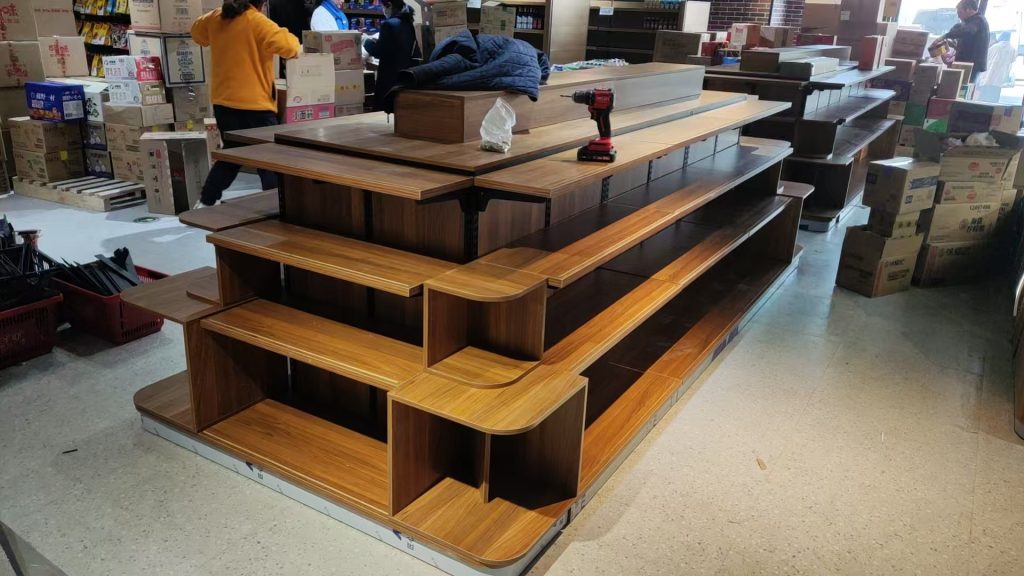
First Impressions Count: Thought‑Designed Entrance Zones
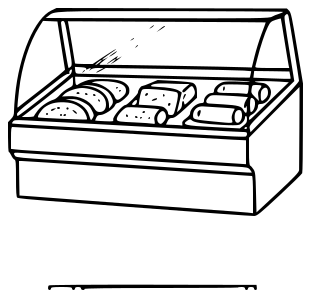
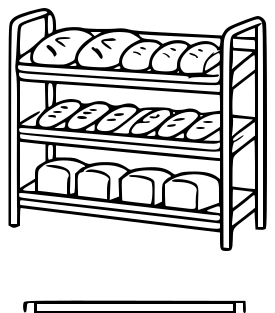
Most supermarkets do not place daily necessities near the entrance. Instead, you will find fresh flowers, freshly‑baked bread and seasonal merchandise. Why?
These items give off inviting aromas and bright colours, instantly creating a sense of freshness, abundance and pleasure. Research shows scent marketing improves shoppers’ moods, helping them relax and stay longer in‑store.
Traffic‑Flow Design: Guiding Shoppers Like an Invisible Tour Guide
A well‑planned supermarket layout acts as an unseen tour guide:
Place necessities toward the back: Daily staples such as milk, eggs and bread are usually positioned deep inside the store. This forces shoppers to walk through the whole space and increases exposure to more goods.
The right‑side advantage: Most people naturally turn and look to their right. For this reason, high‑margin goods are frequently placed on the right‑hand side of shelves.
Prime Real Estate: Eye‑and‑Hand Height Drives Sales
Different shelf heights deliver different sales performance:
- Prime zone (eye‑level down to waist‑level): For high‑profit goods and private‑label products, as these are most visible to shoppers.
- Children’s sight‑line height: For cartoon‑packaged kids’ goods, so young shoppers can spot items and ask their parents to buy them.
- Bottom shelf level: Generally for large‑size or heavy‑weight goods, easy for loading into shopping trolleys.
Cross‑Merchandising: Spur Additional Purchases
Have you noticed snacks are often set beside beer, or baby food near the diaper aisle? This is no coincidence.
Cross‑merchandising groups functionally‑related items based on real‑world consumer needs. It lets shoppers pick up everything they need in one stop and triggers impulse extra sales. Statistics indicate effective cross‑merchandising can boost sales of related products by 30%.
Aisle Width: Comfort Extends Dwell‑Time
Proper‑width aisles keep shoppers comfortable so they do not rush off due to crowding. Wide main aisles direct foot traffic, while slightly narrower secondary aisles encourage customers to slow down and browse.
Colour & Lighting: Invisible Sales Assistants
Warm‑toned lighting makes bread and hot prepared food look more appetising. Cool white light accentuates the freshness of fresh produce. Colour psychology also plays a major part in product packaging and zone division.
Experiential Merchandising: Let Products Speak for Themselves
Sampling counters, open displays and interactive exhibits break monotonous shopping and lower the psychological barrier for customers to try new products. Surveys show items with in‑store sampling average 50 % higher sales than comparable non‑sampled goods.
Periodic Adjustments: Sustain Customer Freshness
Regular shelf reconfiguration not only introduces new arrivals but also helps returning shoppers discover previously‑overlooked merchandise. Beware: too‑frequent reshuffling confuses customers. The best practice is to keep the core layout stable with minor periodic fine‑tuning.
Conclusion
Supermarket shelf merchandising is an art that combines psychology, behavioural science and management. Good display design creates a win‑win outcome: customers enjoy a more pleasant, efficient shopping journey, while supermarkets achieve higher sales and stronger customer loyalty.
Suzhou Keshun Commercial