

Multi‑Layer Step‑Type Display Structure
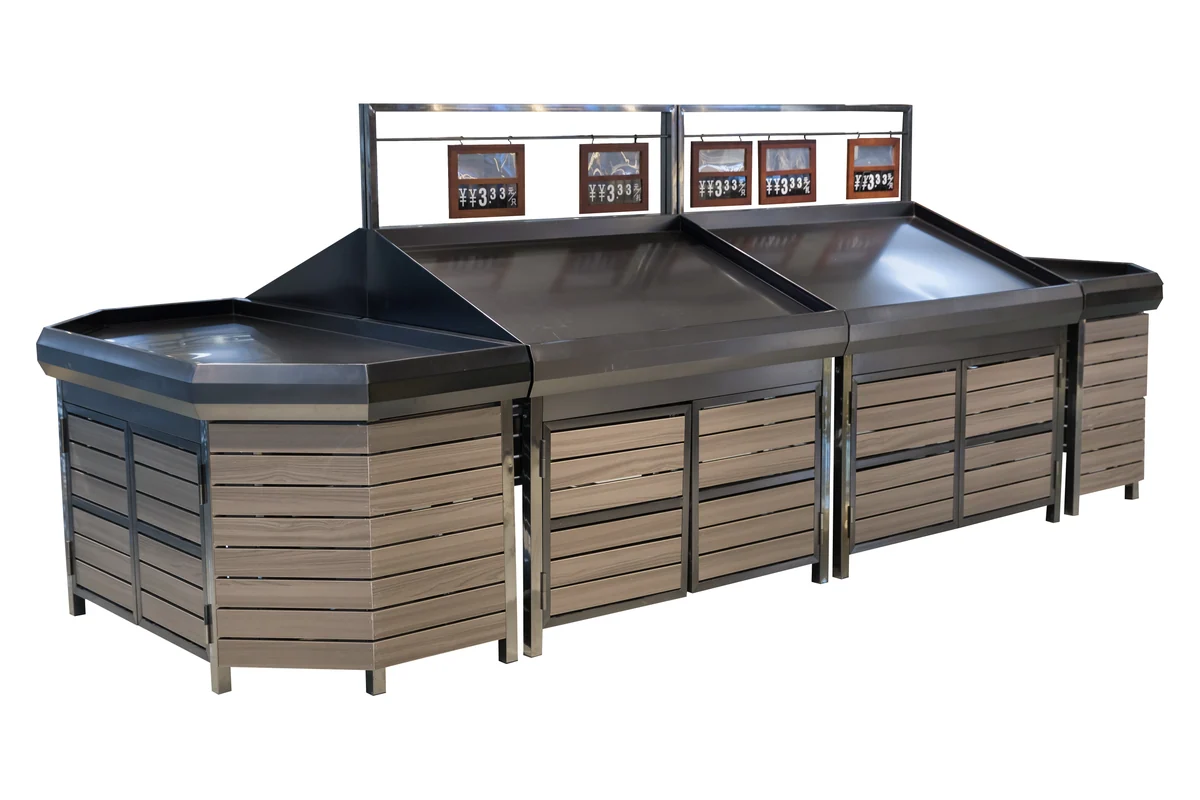
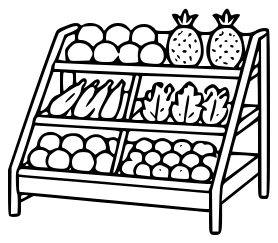
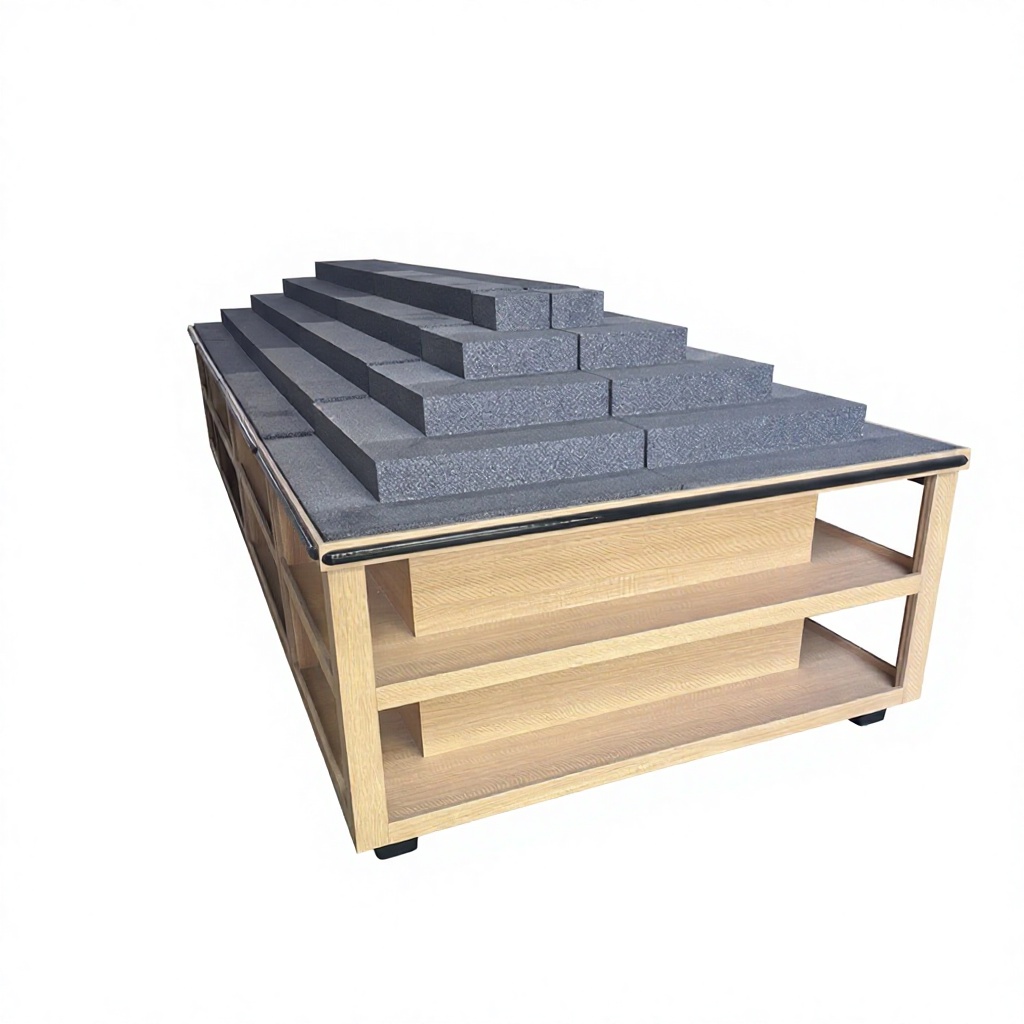
Tiered step layout ensures full product visibility. Fruits and vegetables are clearly displayed without occlusion, improving shopping experience and sales conversion.
Key Features Built to your drawing rather than to a fixed configuration — length, depth, height and internal layout all follow your floor plan. Cold rolled steel body with the finish carried across every category on the same order, to one RAL or PANTONE reference. Manufactured in our own plant in Changshu, where steel fabrication, […]
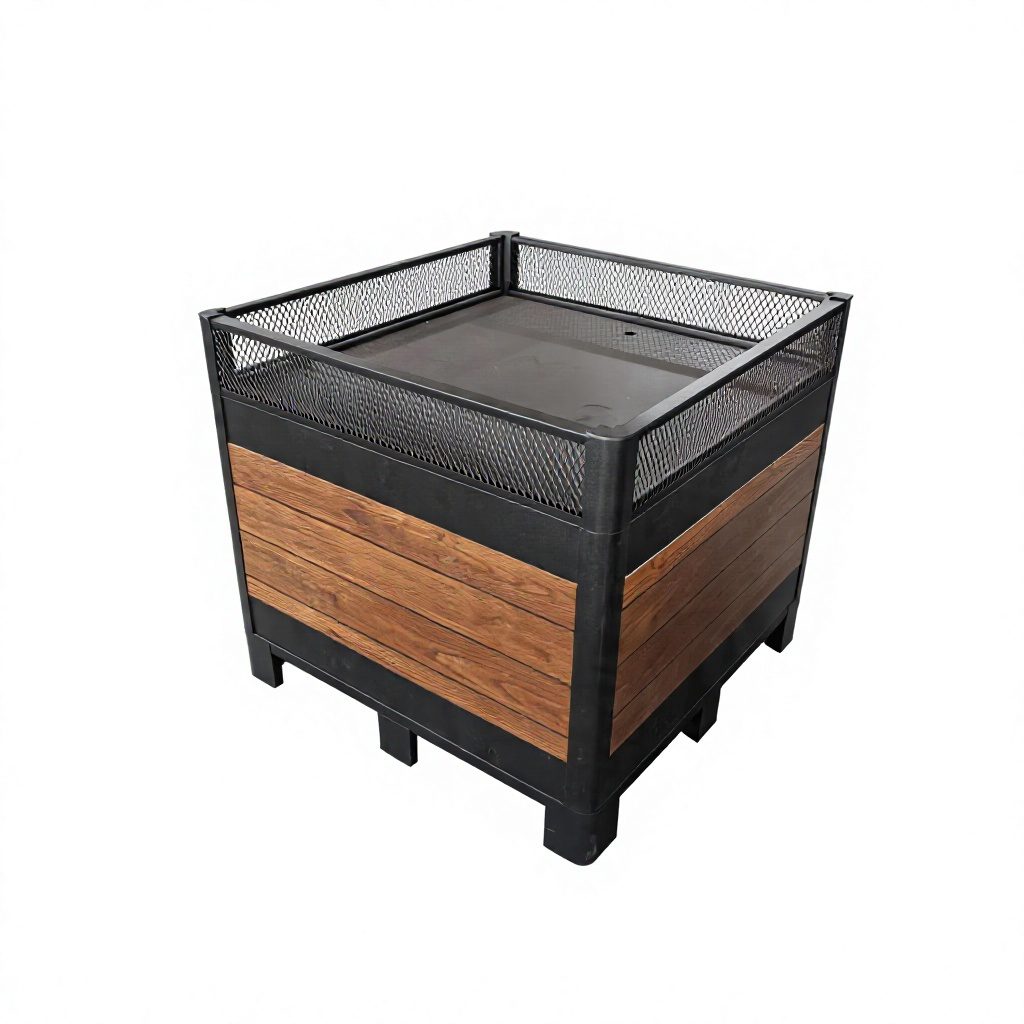
Studio angles on white, with close-ups below.
This supermarket fruit & vegetable step display stand is specially designed for fresh food section. Multi‑tier step‑style structure delivers good product visibility. Removable EPP foam mats provide cushion and anti‑slip performance for fresh produce. Front anti‑collision bumper strip reduces impact damage in high‑traffic aisles. The lower open cabinet offers ample space for spare goods and store supplies. Custom dimensions, wood‑veneer finishes and layer quantity are available for different fresh supermarket projects.
Supermarkets, convenience stores, chain retail and speciality stores. Tell us the store format and the floor area and the specification comes back written against them.
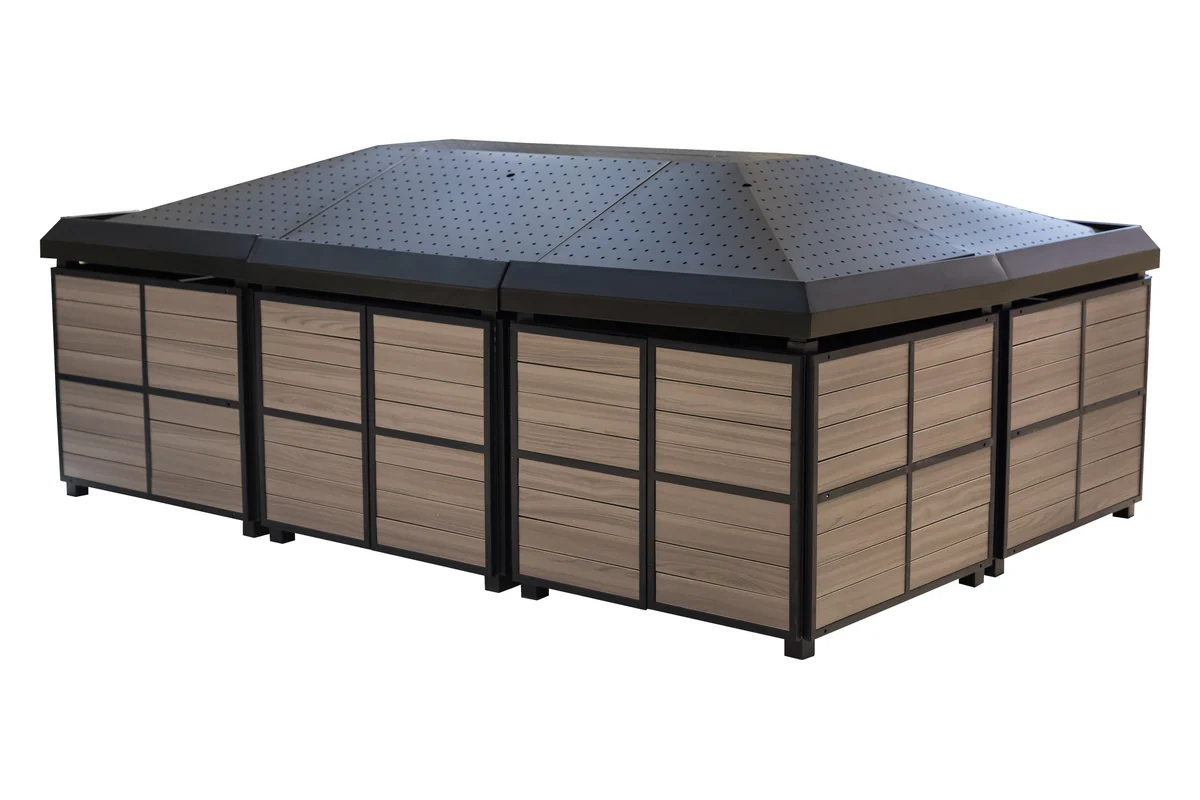
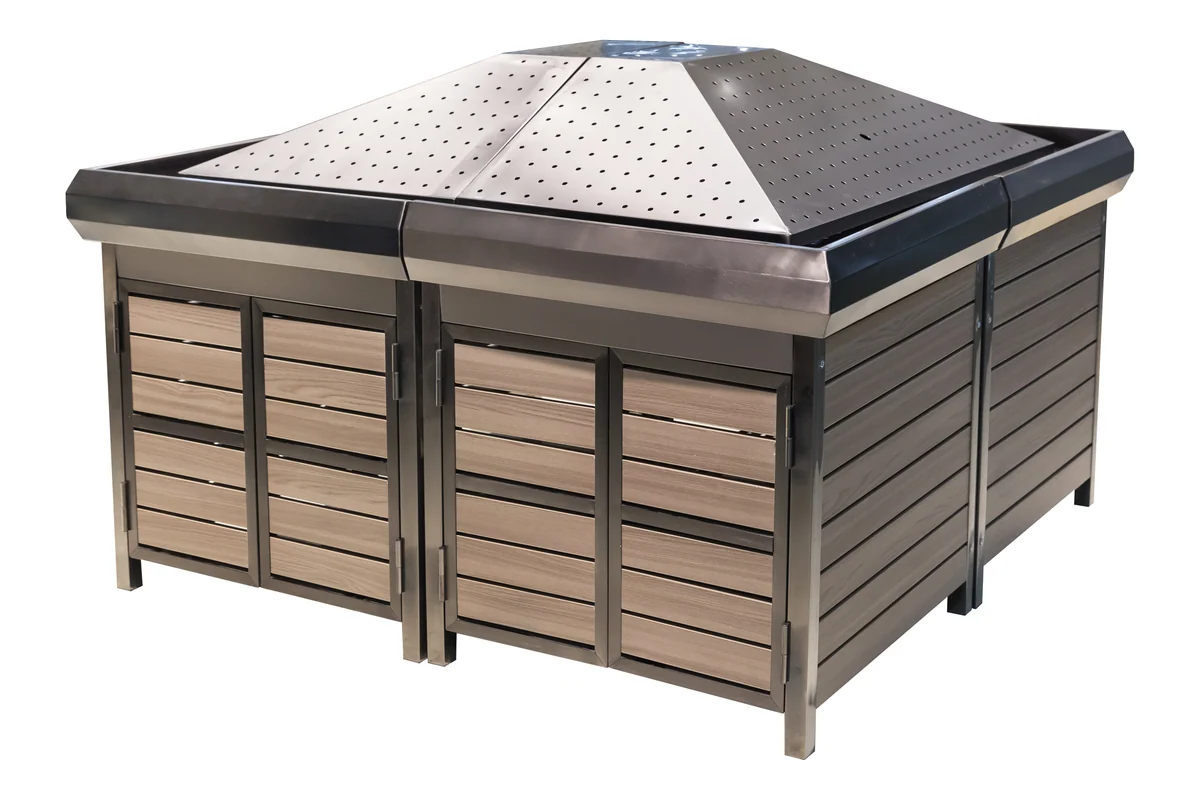
Multiple units can be integrated into one assembly based on core‑frame design. See the examples below for various division and finishing options.
Tiered step layout ensures full product visibility. Fruits and vegetables are clearly displayed without occlusion, improving shopping experience and sales conversion.
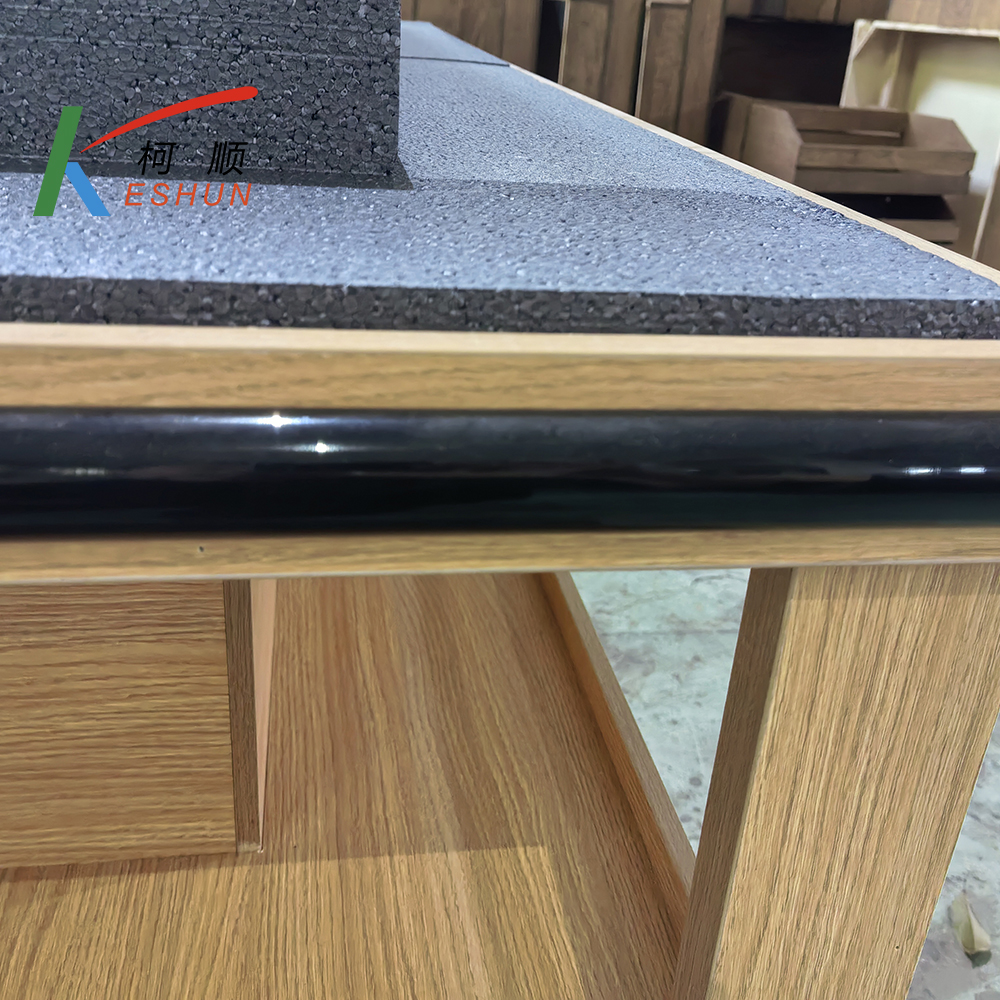
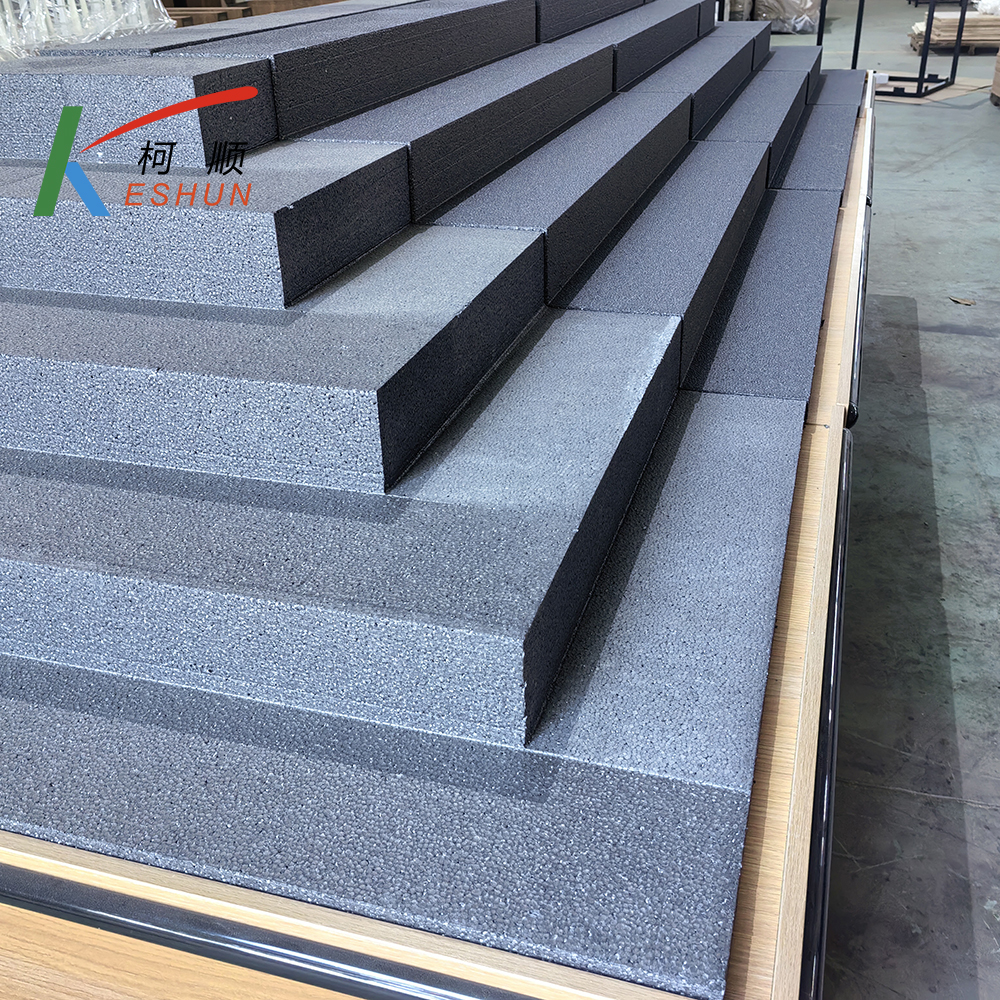
High‑quality EPP foam mat is lightweight, shock‑absorbent and non‑slip. Protect fresh produce from bruising, easy to disassemble for daily cleaning and sanitizing.
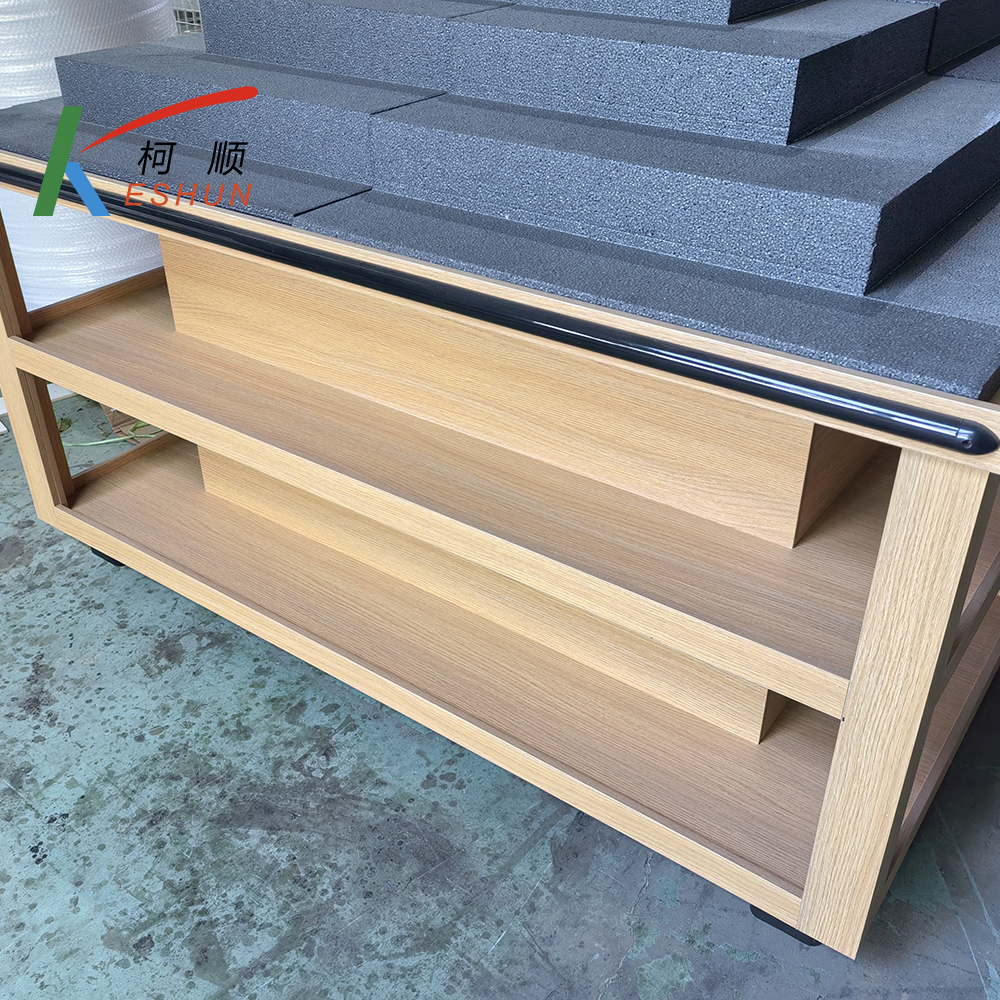
Durable front bumper strip buffers impact. Prevent collision damage to shelf and goods, keep operators and customers safe in busy supermarket environment.
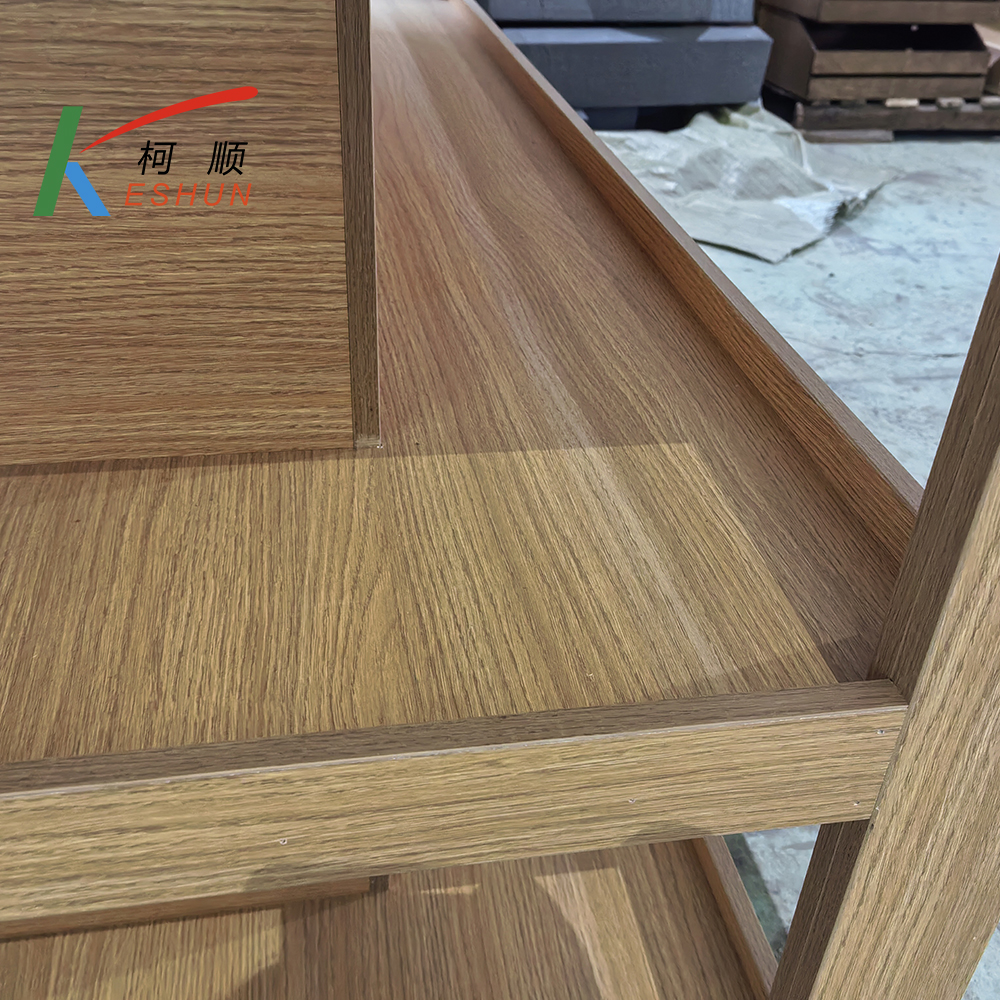
Spacious open storage compartment under display surface. Store packing bags, crates and restock goods, make stock replenishment quick and convenient for staff.
Every item on this page is made to order. Send a floor plan, a hand sketch or a photograph of a fixture you like, and we quote against it.
Store fixtures are light for their size, so a container fills up on volume long before it fills up on weight. What decides your freight is not what one unit weighs — it is what shape the goods are in when they go through the container door. Everything we build leaves in one of three shapes, and a bulk island is the one that travels best.
Shelving bays, produce islands and bulk cabinets travel as panels — uprights, shelves, back panels and plinths, strapped flat with bubble wrap on every component. They are built up on the shop floor, so the packing list and the assembly drawings travel with the goods.
This model
Trolleys slide into one another and baskets stack. Past the first unit, each extra one adds only its nesting pitch instead of its full length, so the shipped volume ends up a fraction of what the unit count suggests.

A checkout lane is welded, coated and fitted out as one piece, so it is crated whole with padding on the steel. Nothing waits to be assembled at the store beyond levelling it into the lane, and the crate is the counter plus a margin.
Produce islands ship flat as panels, so the container arithmetic runs on panel count rather than on finished size. Two of the builds in this category carry recorded dimensions — 1200 × 750 × 850 mm for the standard island table and 1200 × 800 × 1300 mm for the tall build — and those two are the reference points a loading plan is worked from. Everything else is cut to your aisle and confirmed on the packing list.
Produce is the wettest, heaviest and fastest turning department in the store, and it rarely arrives on its own. These three categories share the fresh aisle with it.
Where the produce run meets the fish counter, both fixtures want stainless at the contact surfaces and a drain in the same floor.
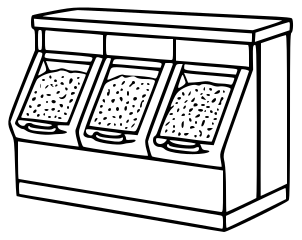
See seafood display casesLoose dry goods sit alongside loose produce in most store plans, and the two departments are read by shoppers as one open market area.
See bulk food binsProduce is promoted harder than any other department, and a 1000 mm square at the head of the aisle is how a glut gets moved.
See retail display tablesHow many of each a store needs is a floor area question rather than a product question, and it is answered store by store on the equipment lists by store size.
Send a plan or a photograph of the run you need and we will price it against your opening date.
Tell us the store size and the finish you need; our engineers reply with a counted list.
The ones that come up on nearly every enquiry for this category.