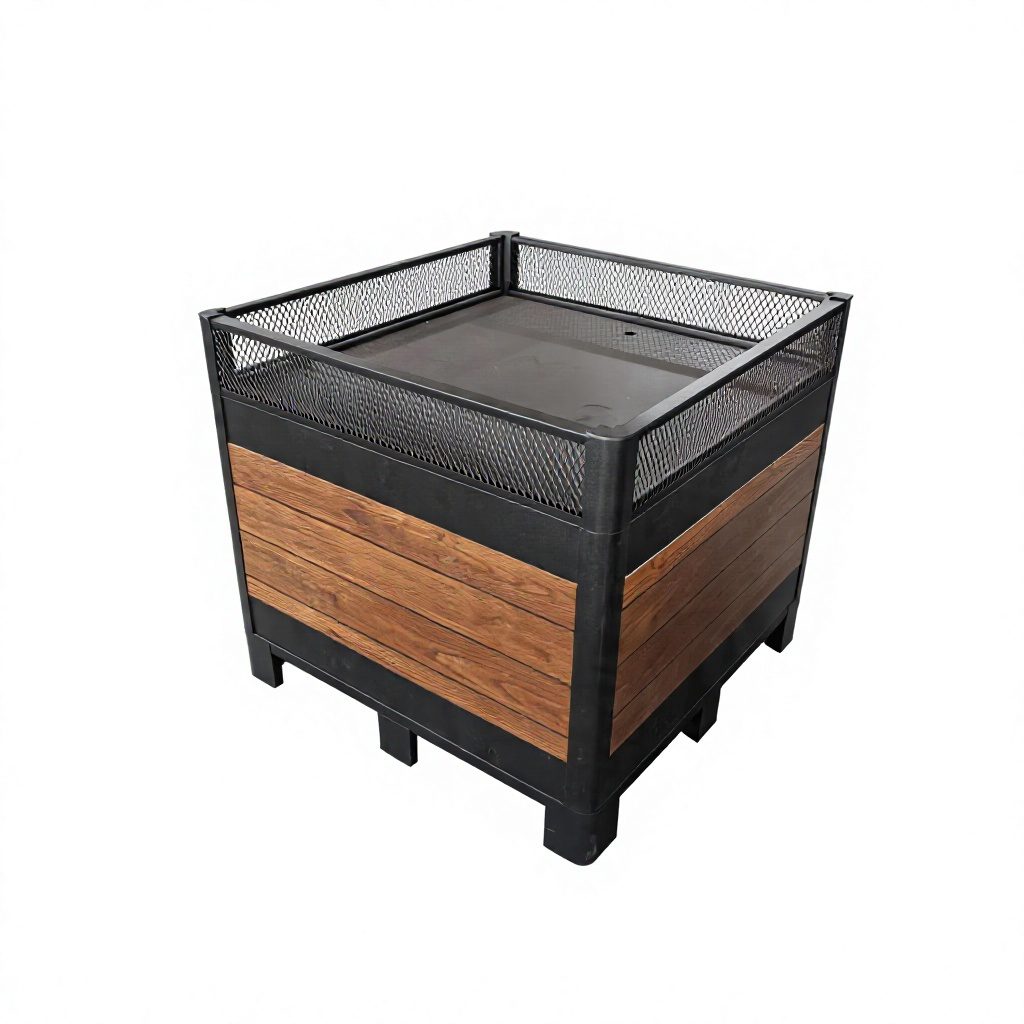

Bulk Food Bins
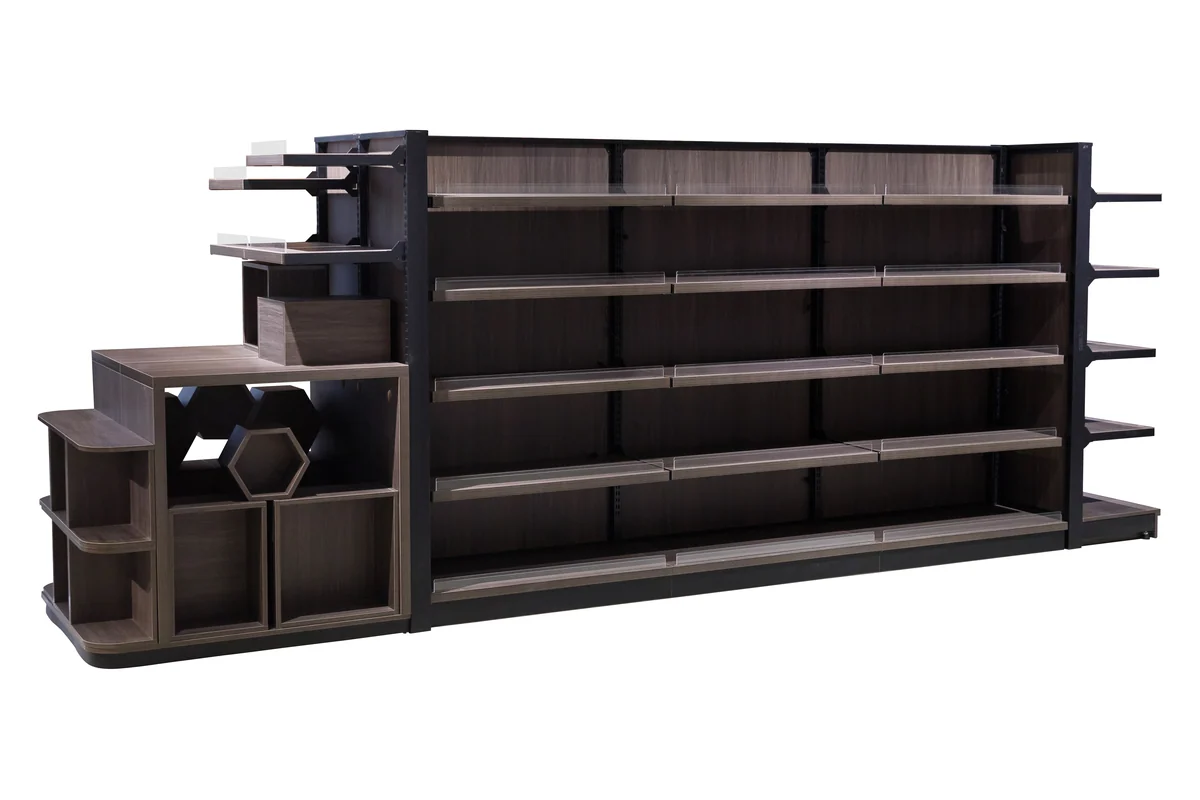
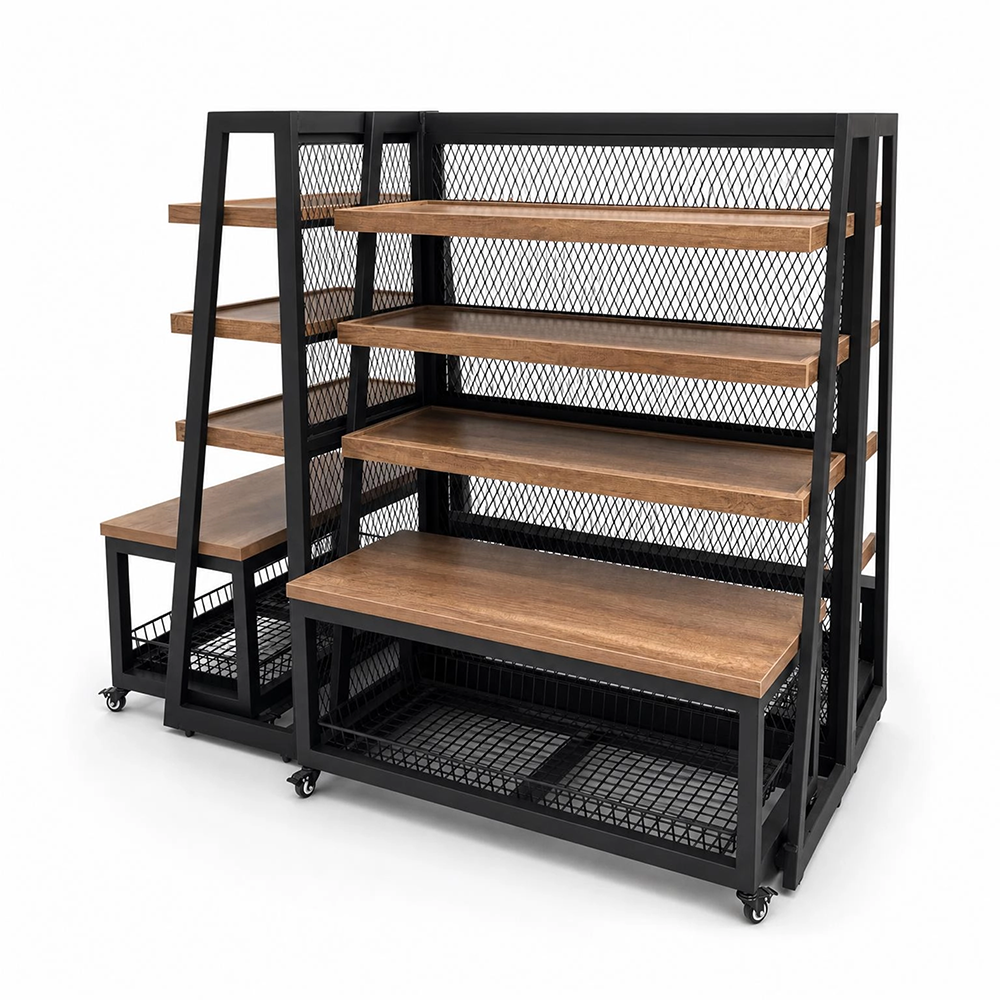
The islands that sit between shelving runs carry the loose lines the bays cannot, and they take the same colour reference.
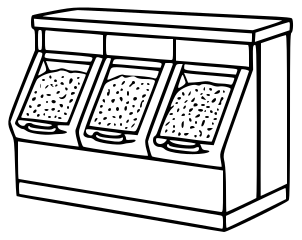
See bulk food bins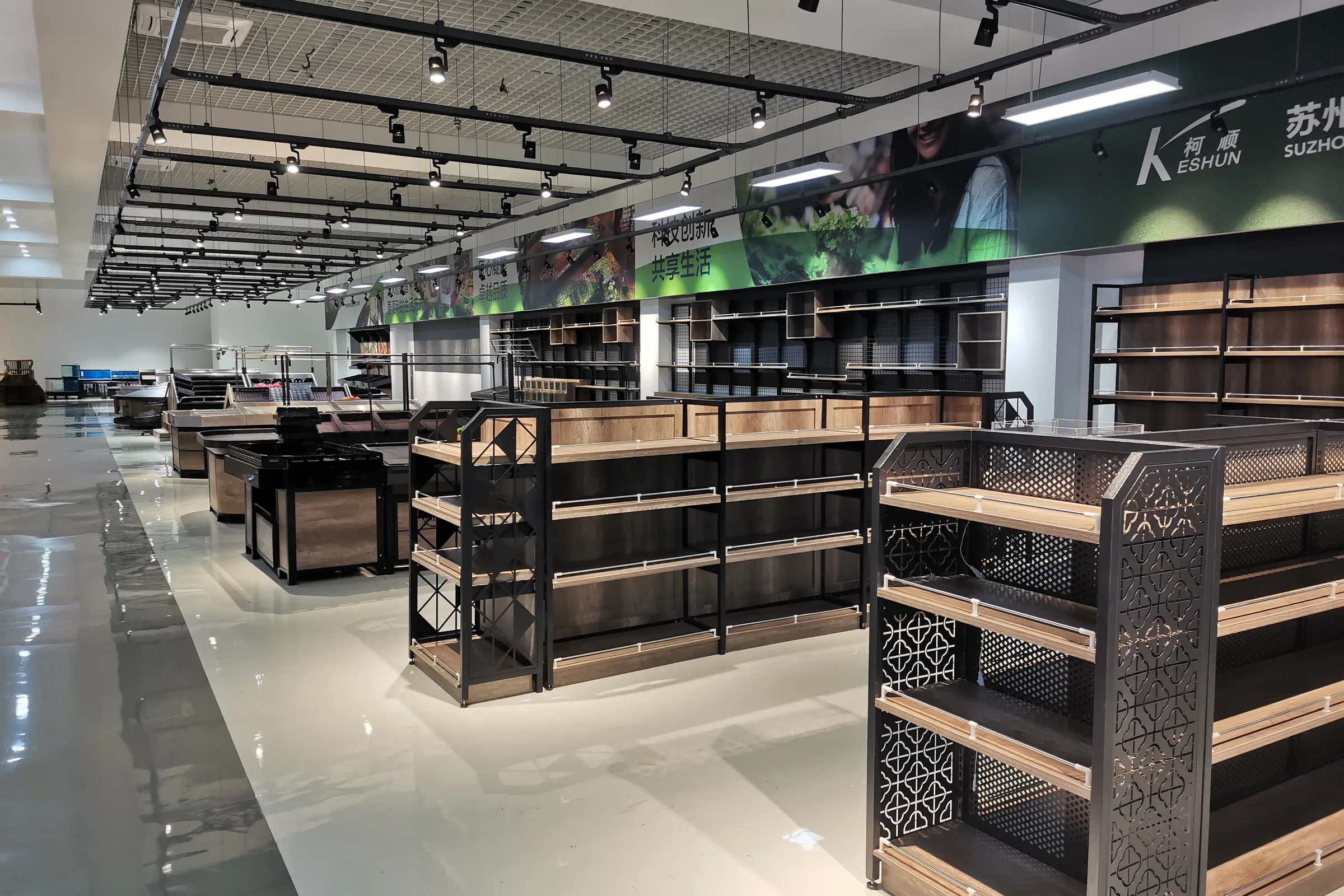
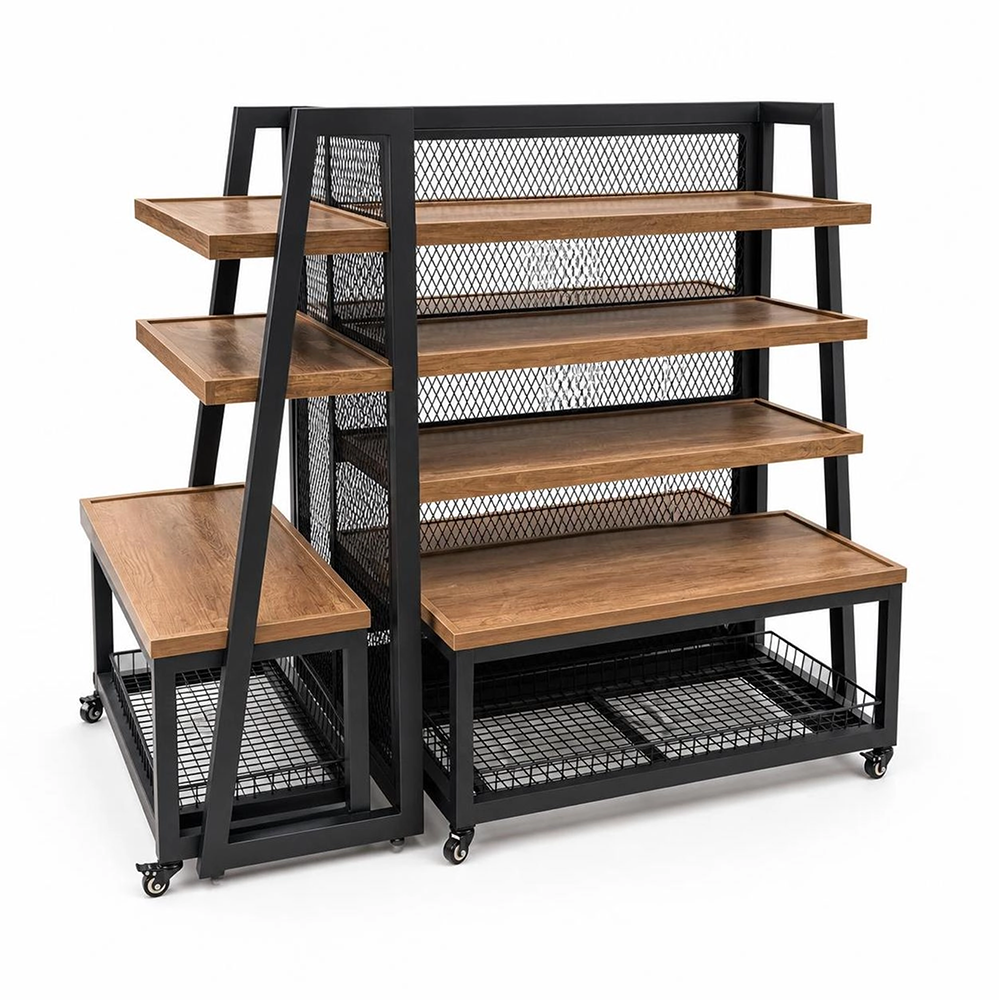
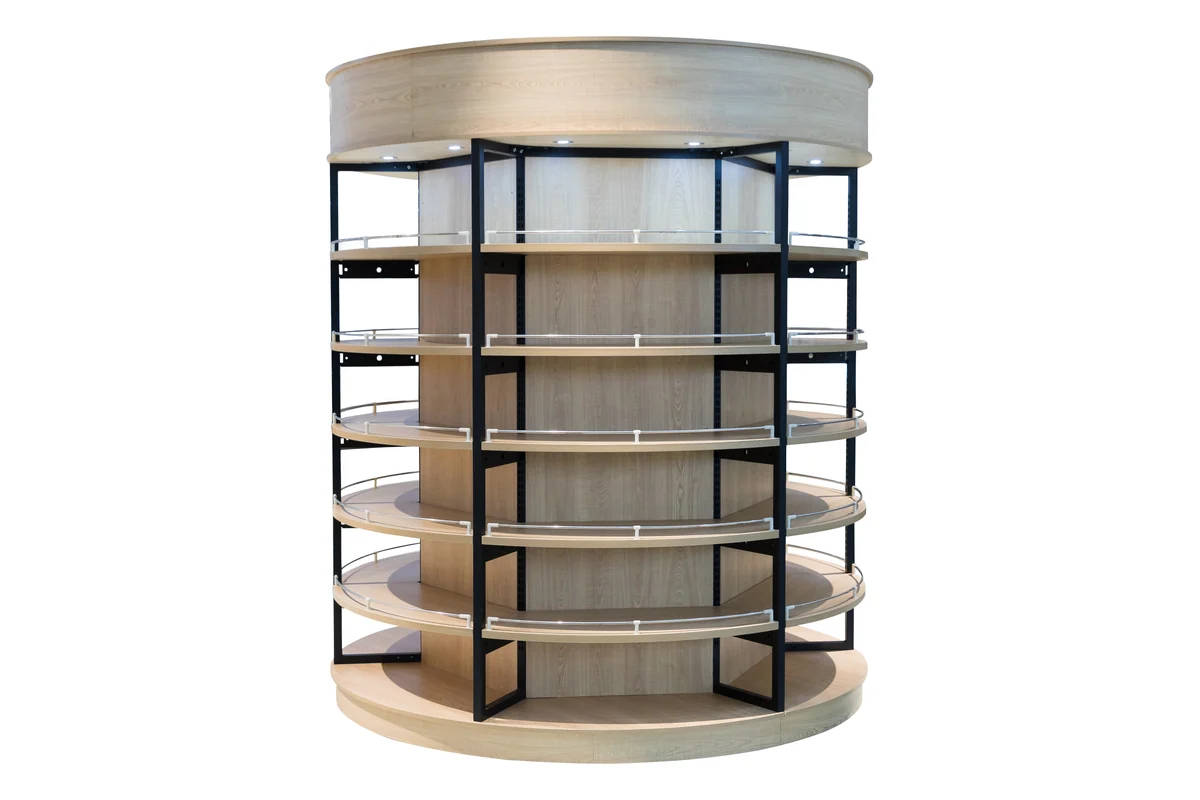
Studio angles on white, with close-ups below.
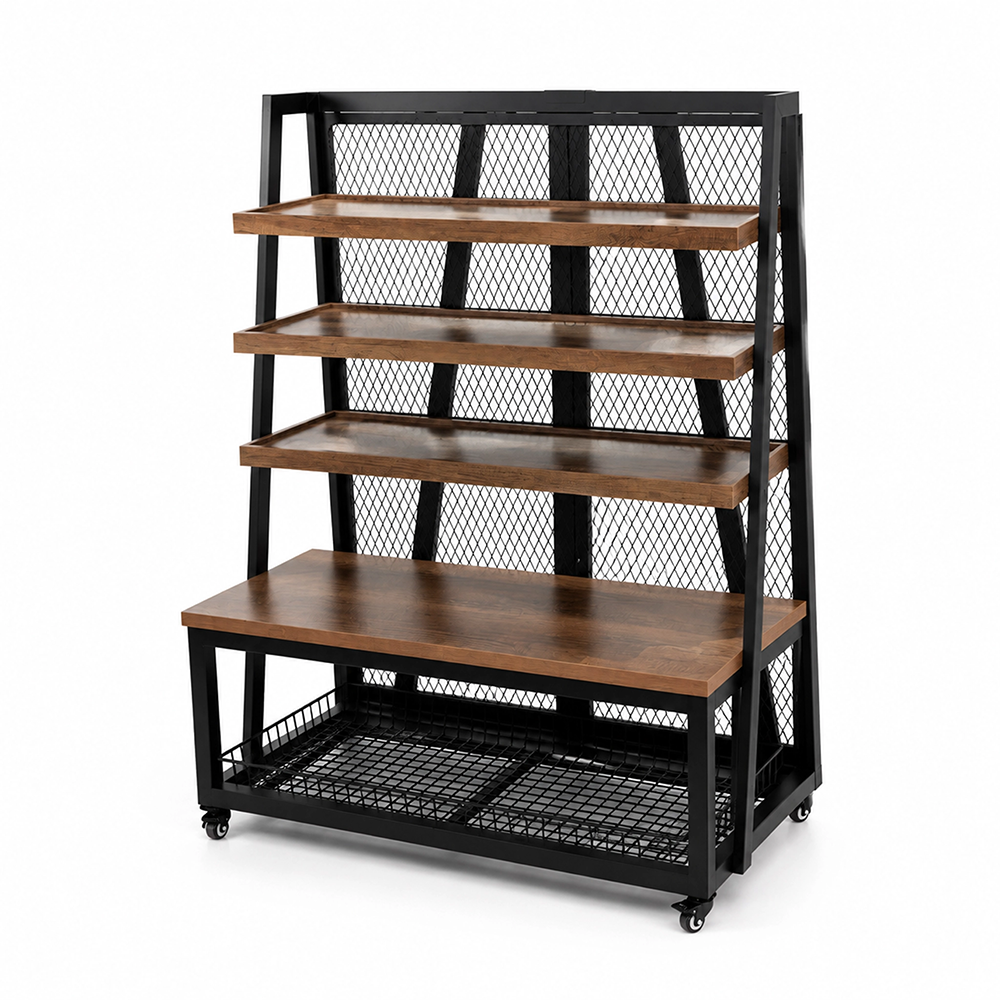
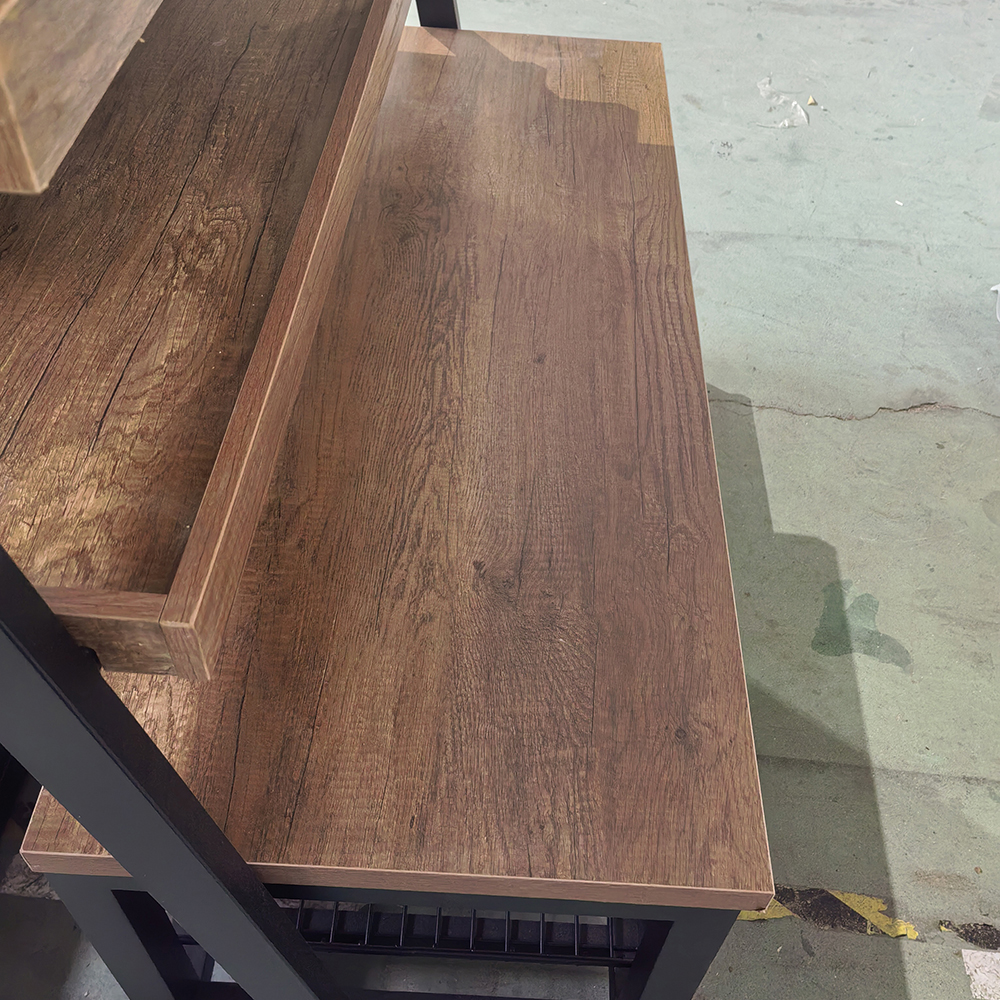
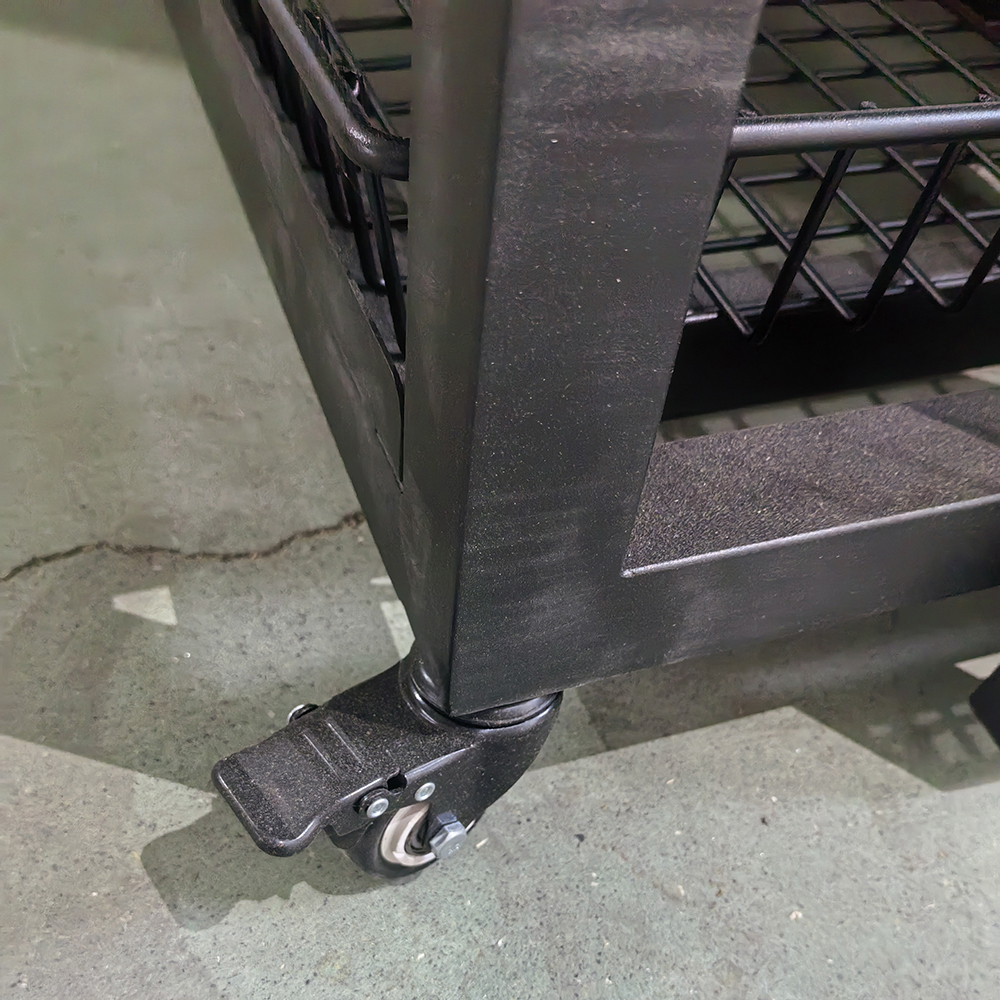
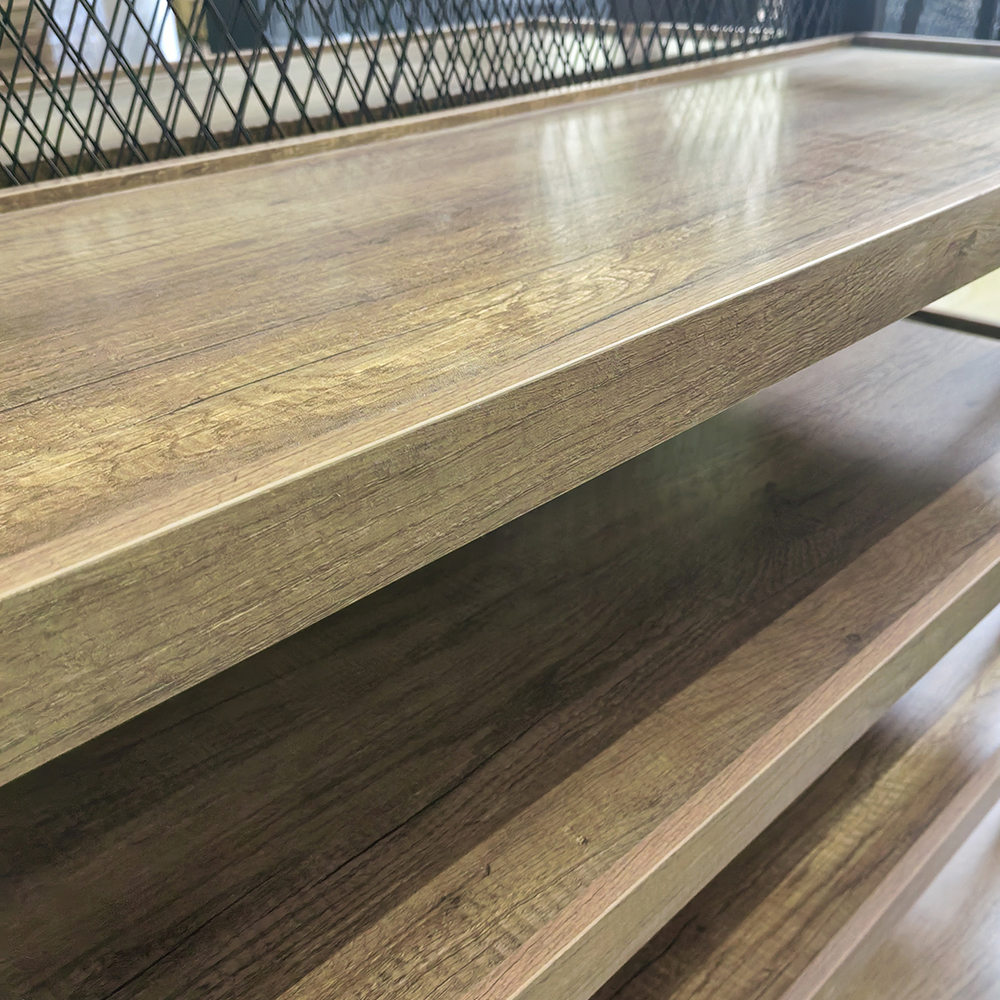
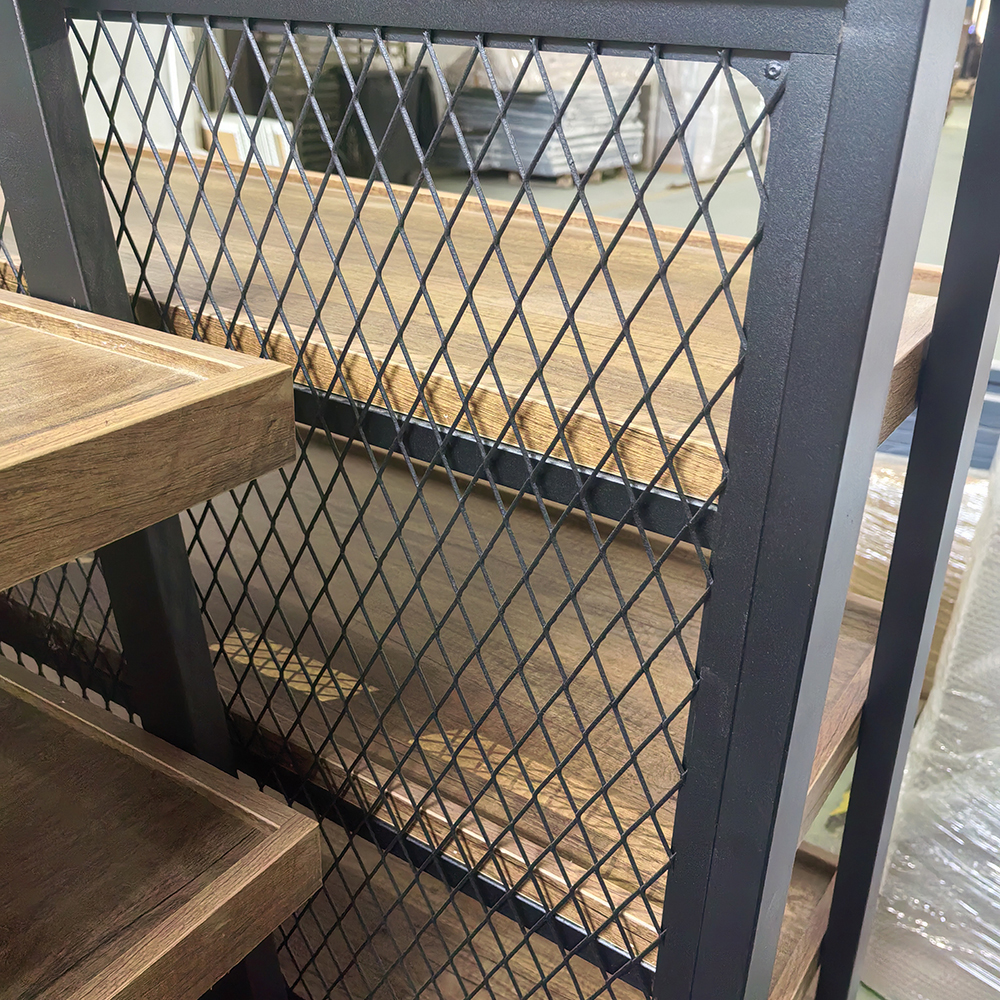
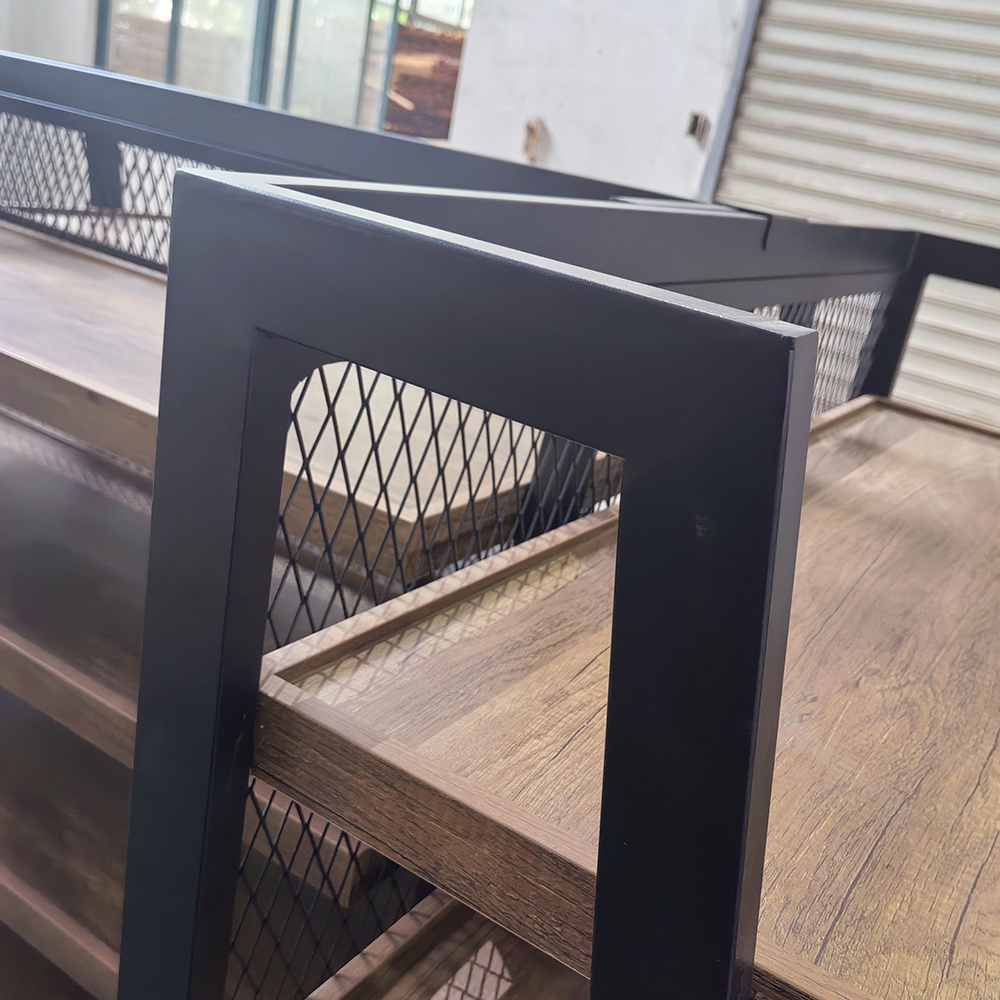
Mobile steel wood retail shelf with mesh back panel and lockable casters. Multi-layer wood grain display boards, bottom wire basket for extra storage. Sturdy powder-coated metal frame. Easy to move and re-layout, custom sizes available for supermarket, bakery and grocery shop.
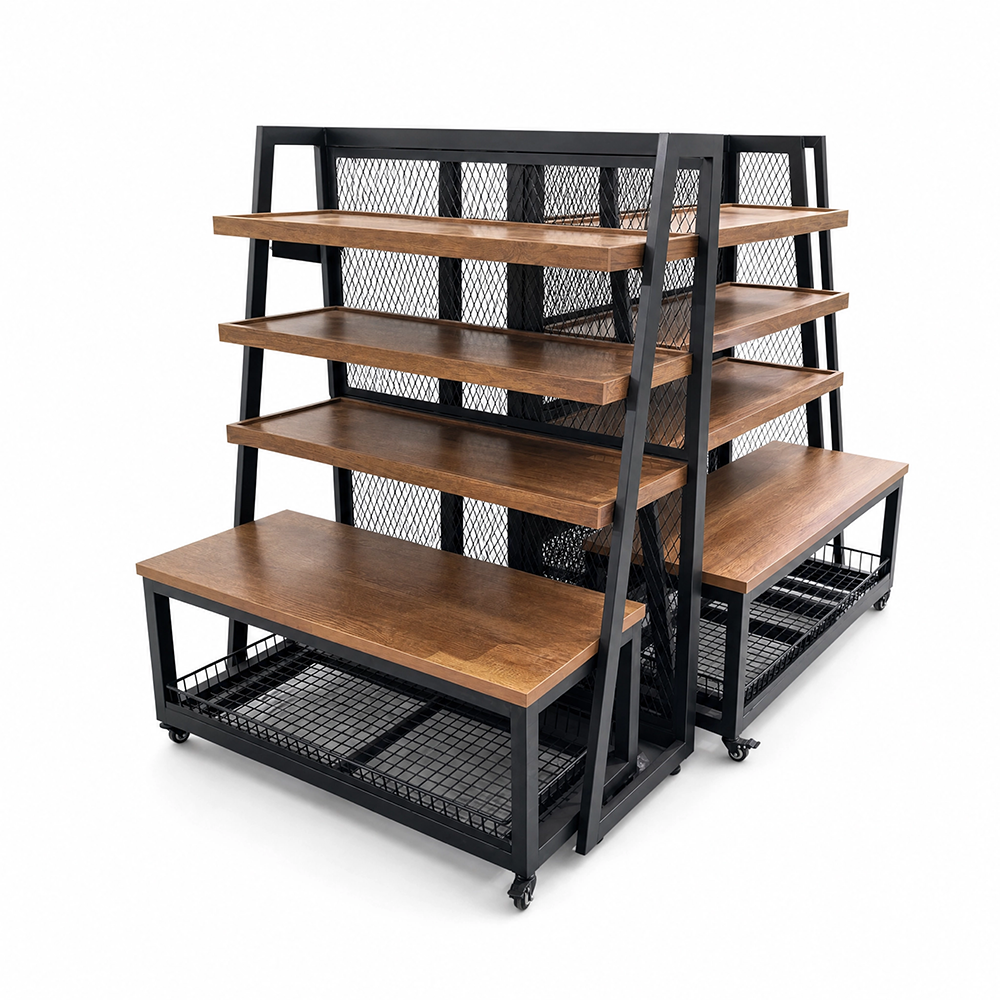
Store fixtures are light for their size, so a container fills up on volume long before it fills up on weight. What decides your freight is not what one unit weighs — it is what shape the goods are in when they go through the container door. Everything we build leaves in one of three shapes, and a bulk island is the one that travels best.
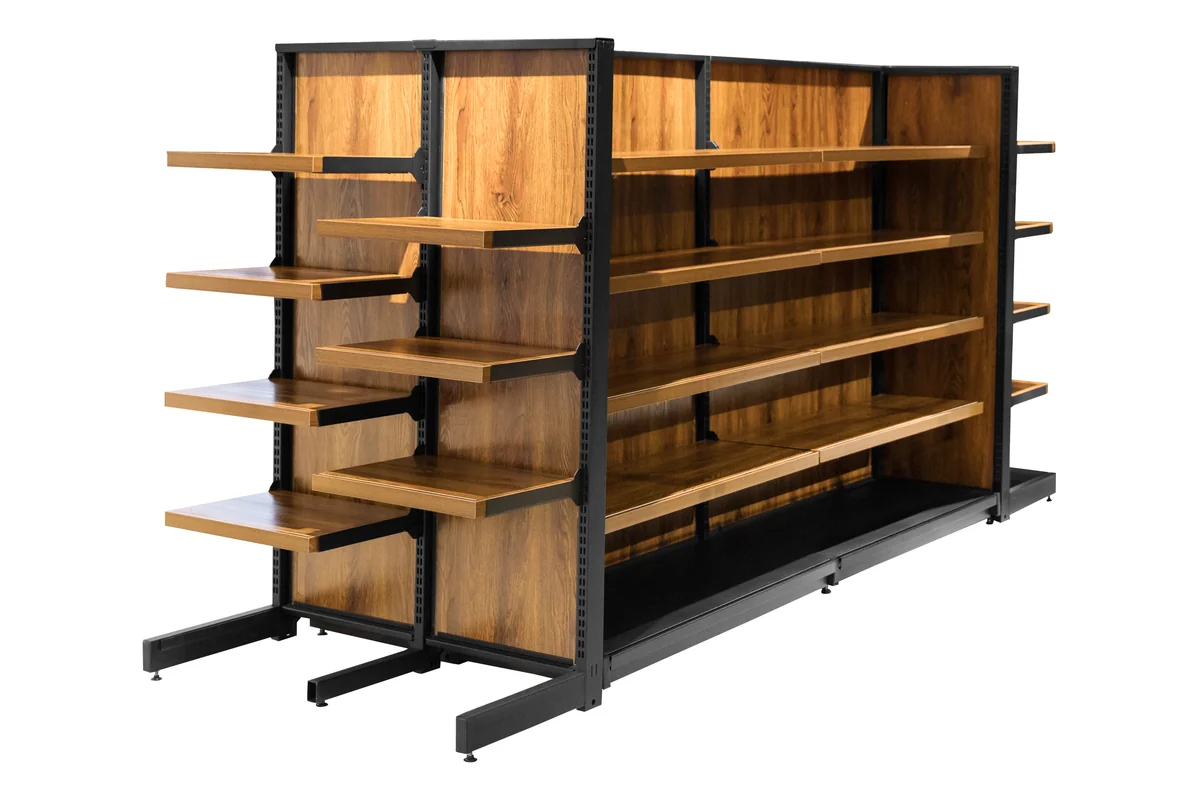
Shelving bays, produce islands and bulk cabinets travel as panels — uprights, shelves, back panels and plinths, strapped flat with bubble wrap on every component. They are built up on the shop floor, so the packing list and the assembly drawings travel with the goods.
This model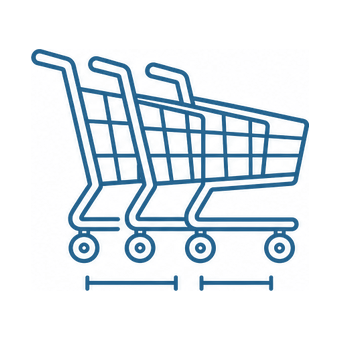
Trolleys slide into one another and baskets stack. Past the first unit, each extra one adds only its nesting pitch instead of its full length, so the shipped volume ends up a fraction of what the unit count suggests.
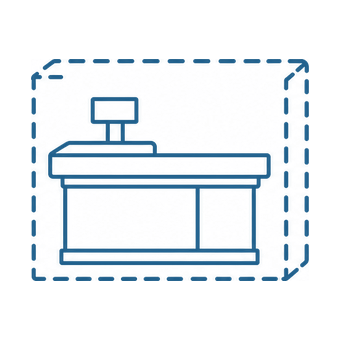
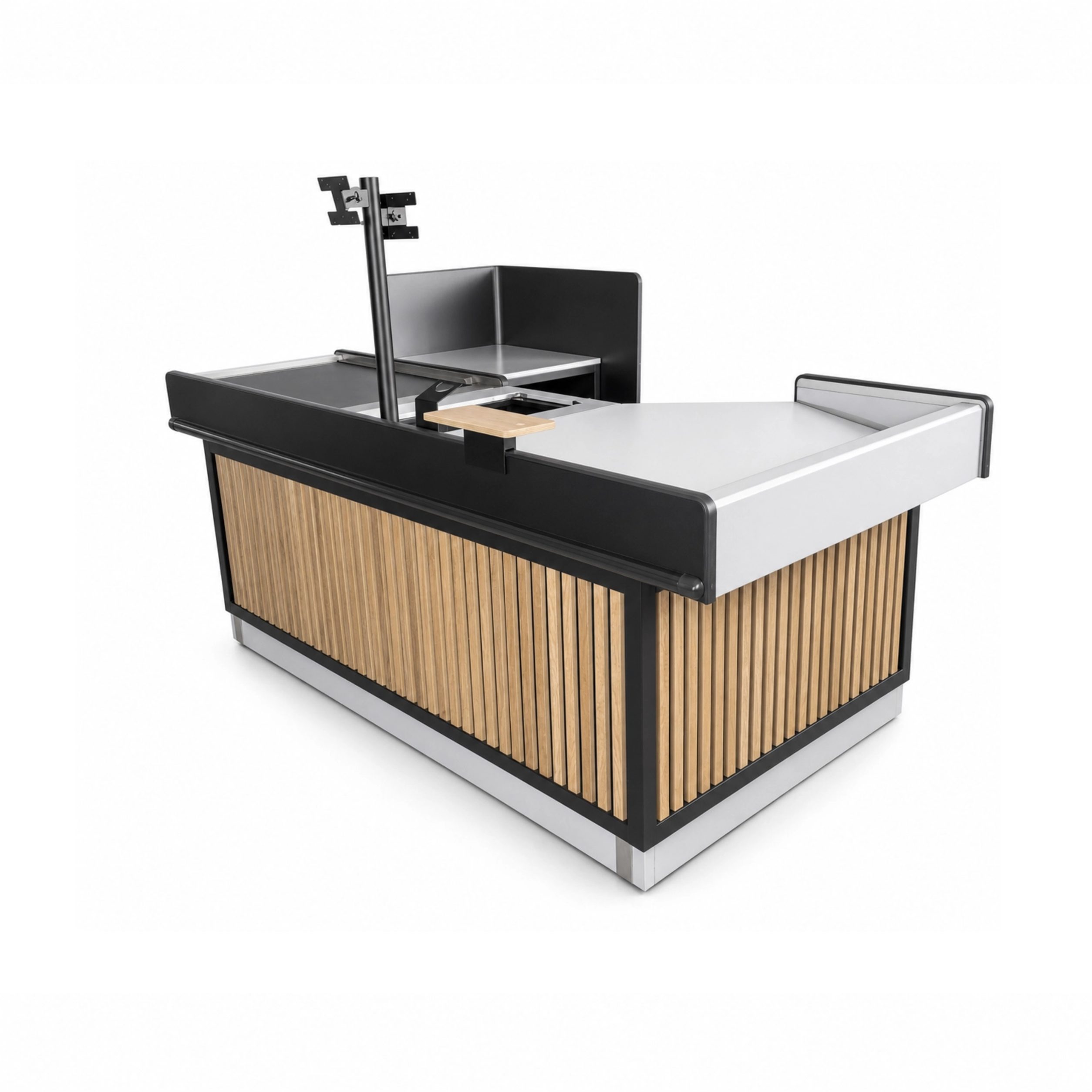
A checkout lane is welded, coated and fitted out as one piece, so it is crated whole with padding on the steel. Nothing waits to be assembled at the store beyond levelling it into the lane, and the crate is the counter plus a margin.
Shelving is the category flat packing was invented for: uprights, shelves, back panels and plinths all travel as flat strapped bundles, and a container of shelving carries several times the store area that the same container of assembled counters would. Two group sizes are on record — single-sided at L1000 × W400 × H1700 mm and double-sided at L1000 × W800 × H1500 mm — and a loading plan is worked from those.
Shelving is the backbone of the store and everything else is arranged against it. These three categories are what fill the gaps a shelving run leaves.
The islands that sit between shelving runs carry the loose lines the bays cannot, and they take the same colour reference.
See bulk food binsA shelving run needs a head, and a 1000 mm promotion square is what turns the end of a bay into selling space.
See retail display tablesThe bays a shopper faces while queuing are read as part of the front of store, so they carry the same finish as the lanes.
See checkout countersHow many of each a store needs is a floor area question rather than a product question, and it is answered store by store on the equipment lists by store size.
Send a plan or a photograph of the run you need and we will price it against your opening date.
Tell us the store size and the finish you need; our engineers reply with a counted list.
The ones that come up on nearly every enquiry for this category.
Yes. Height follows whether it stands against a wall or in the middle of the floor, and length is cut to your run; send the wall or aisle measurement and it is drawn to fit rather than trimmed from a standard bay.
Yes, provided the earlier RAL, PANTONE or timber reference is available; every steel and wood shelving order is held to the same reference.
One bay is enough to sample the finish; a full run is priced once you confirm the total length needed.
Four to six weeks from a confirmed drawing for a standard run.
Flat packed — uprights, shelves, back panels and plinths travel as panels and are built up on the shop floor.